
How to Buy a Boat
Wondering what are the steps in buying a boat? If you're buying a boat listed by a private seller, it's likely you do not have a broker representing you in the purchase. But you're in good hands! FSBOAT is prepared to guide you every step of the way.
Here is what you should expect from the boat buying process:
1. Define Your Needs & Budget
-
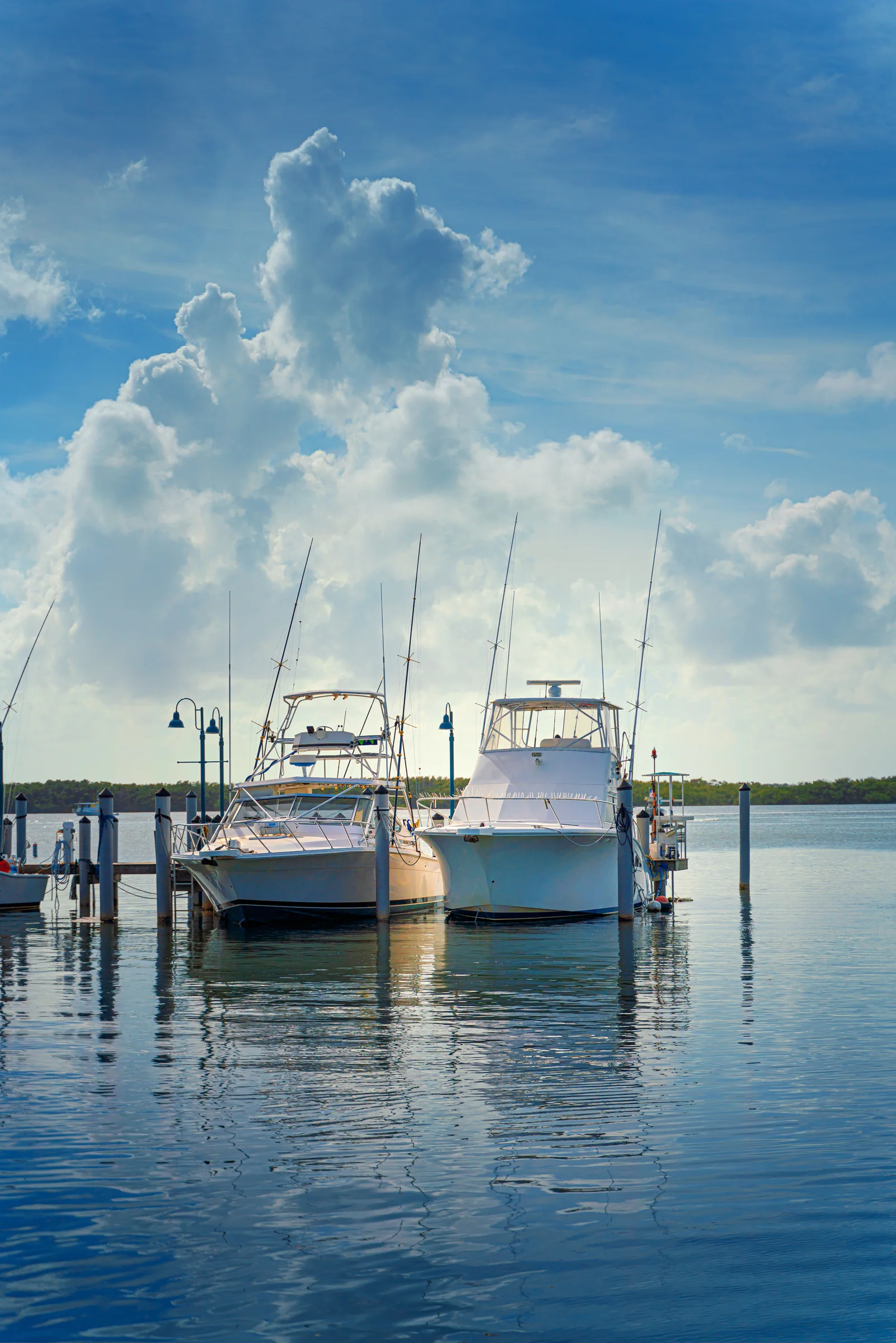
Boat type, size, and intended use: There are so many types of boats, it can be overwhelming to know where to begin. What activities are you envisioning? Fishing, waterskiing, sailing, day cruising, or living aboard? Feel free to chat with Deckhand and zero in on the right boat for you and your boating dreams!
-
Total budget including insurance, maintenance, dockage/storage: Understanding your general cost of ownership will help you make sure you're prepared for the expenses associated with not only buying, but owning a boat. Review and download our Boat Ownership Expense Tracker.
-
Discuss financing with a lender: if you're looking to finance your boat, begin the process early, and ask a lot of questions. You may want to speak to a finance broker who has access to various lenders with different specialties. Visit our Marine Directory to connect with trusted partners.
2. Do Your Research
-
Search online marketplaces: Browse FSBOAT, Facebook Marketplace, and online forums to get a feel for the condition, equipment, and concerns you may expect from your targeted boat type and models.
-
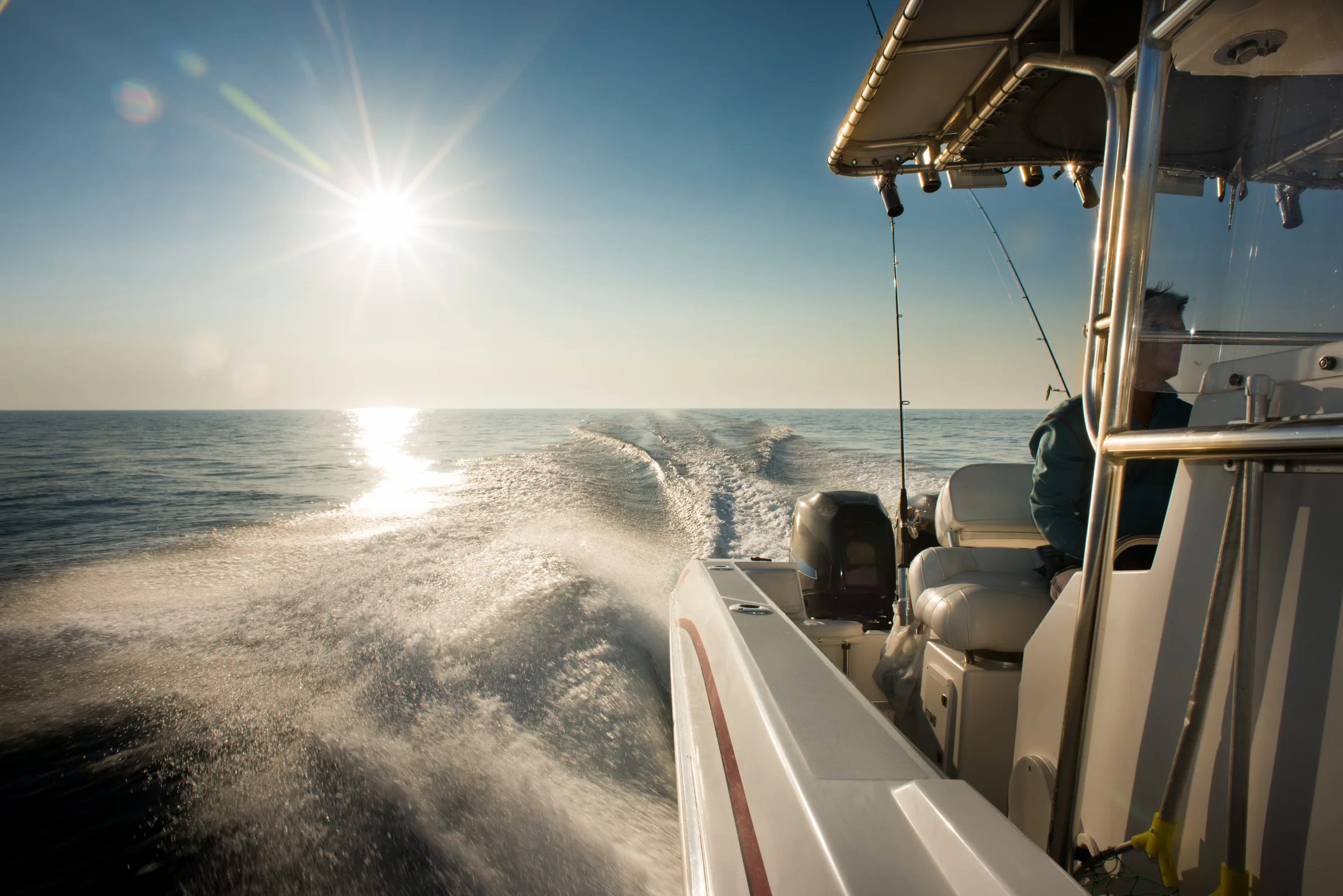
Attend boat shows and visit marinas: Seeing a boat in person is often the best way to validate your interest in a particular vessel. And boat shows are the best opportunity to board a variety of different boats and ask questions. You'll get a feel for the types and brands you like, the equipment and technology that may be available on newer models, and of course give you the chance to speak with boating professionals and fellow boaters. You'll weed out a lot of contenders without having to schedule one-on-one showings.
-
Network with local boating communities: once you've got a good idea for the kind of boat and the type of boating you want to do, connect with fellow boaters and pick their brain! If you're interested in sailing, it's time to join a sailing club, sign up for sailing lessons, or even go charter with family and friends!
3. Evaluate & Compare Boats
-
Review specs, photos, and maintenance records: once you've identified the kind of boat and price point you're interested in, start comparing their availability near you, as well as their features, reliability, etc.
-
Check pricing tools for fair market value: look for listings on the market and use the FSBOAT guidance to compare asking price with comparable sales
-
Create a shortlist of candidates: identify boats you may want to see in person and contact the seller on the FSBOAT platform to ask your questions.
4. Inspect the Boat
-
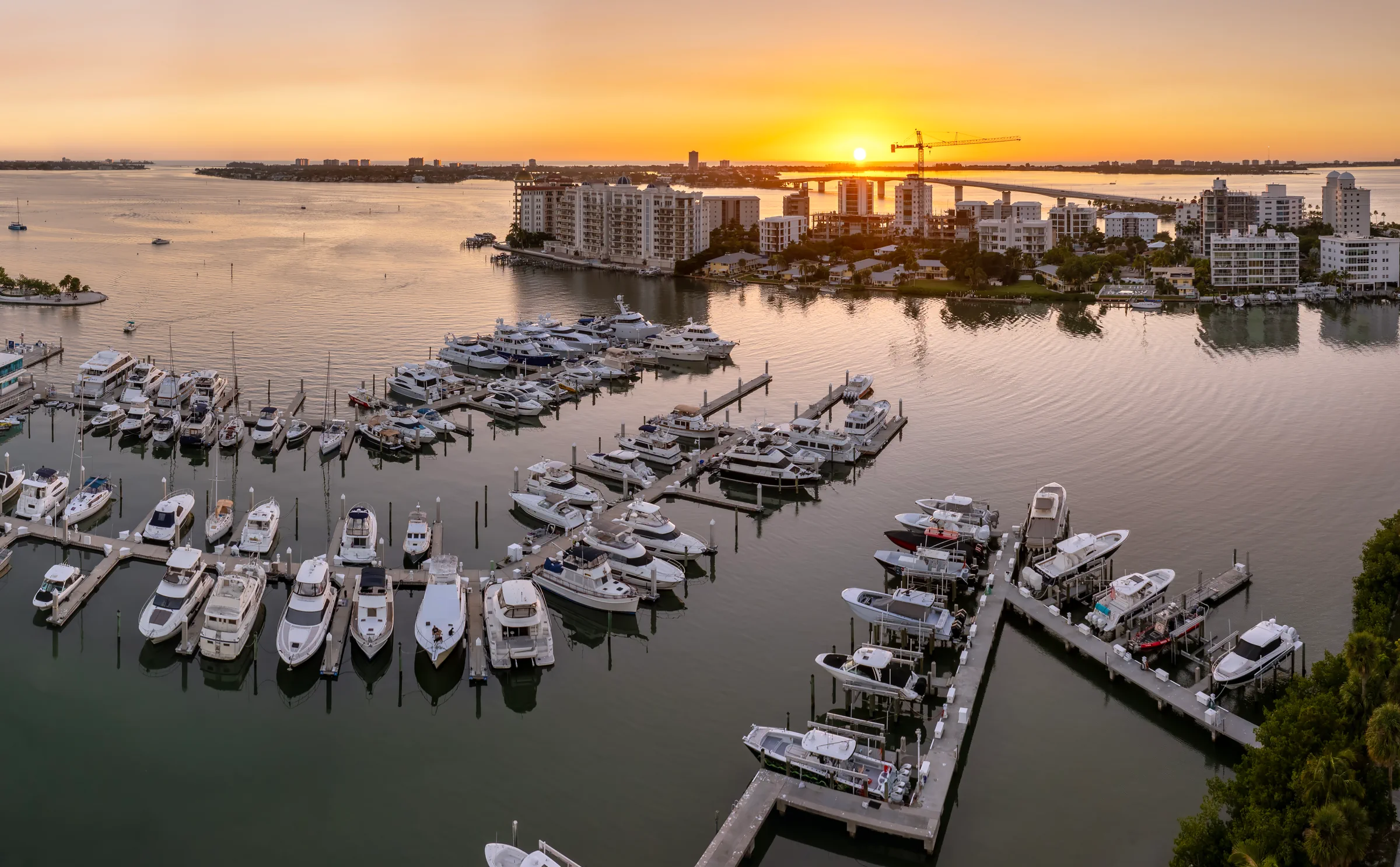
Schedule an in-person viewing: Once you feel confident about a boat you've identified, it's time to see it in person. If you can, bring an experienced boating friend with you. This is your opportunity to check on the overall condition of the boat before you consider making an offer.
-
Check hull, engine, electronics, and overall condition: While you'll likely hire a professional surveyor, you'll only want to commit that expense for a boat you feel comfortable with. There are a lot of major concerns you can eliminate if you know where to look; read more about the red flags of a boat showing.
5. Make an Offer
-
Prepare a written offer - See our sample Purchase and Sale Agreement (PSA)
-
Once the offer is accepted, remit the deposit. The deposit is usually 10% of the asking price and can be paid into escrow to secure your purchase. View our escrow services.
-
Prepare your due diligence: Once you're under contract, you'll want to line up the key professionals that will intervene shortly, starting with the marine surveyor. In parallel, you'll want to: obtain a commitment letter from your lender if you're financing the purchase; request an insurance quote from a reputable insurance broker; Look into the storage or berth option for the boat you're buying! You don't want to find out after your purchase that there is no mooring ball in your area for your boat, or that the lake where you want to boat won't accept engines over 30HP, etc.
6. Hire a Marine Surveyor
-
Schedule a trial run and haulout if necessary: Your chosen surveyor will conduct a thorough pre-purchase inspection of the vessel and its systems. Depending on the type and size of boat you're buying, you may want to hire additional professionals to conduct an engine survey or a rig inspection. To learn more about pre-purchase survey, read what to expect from a marine survey.
-
Professional inspection before purchase: You will receive a written report post survey. This report will identify any significant issues with the boat and may guide your negotiations if there are serious concerns not raised before the survey.
-
Review survey report for issues: The report will prioritize the areas of concern, and the most important ones are often required to be addressed for a lender or insurance carrier to underwrite the vessel. You may need to consult with marine contractors to receive quotes as appropriate.
7. Negotiate Price & Finalize Acceptance
-
Use survey findings: In a private sale, there is no broker to facilitate the negotiations between parties; this is where the seller and the buyer need to work together, in good faith to come to a mutual agreement if issues arise.
-
Revise your offer based on condition: These issues are generally resolved in two ways: either a financial concession lowering the purchase price; or an agreement where the seller addresses the problems, usually through a marine contractor. If no agreement is reached, the parties will walk away, and the buyer will recover their deposit.

8. Pre-Closing Steps

Registering your boat: Once your survey is complete and any negotiations settled, you'll need to handle the vessel's legal documentation. For boats under 26 feet or those staying in state waters, you'll typically register directly with your state's boating authority. For larger vessels or those used in interstate waters, consider hiring a marine documentation agent to handle U.S. Coast Guard documentation. These professionals will conduct title searches, verify clean ownership, prepare transfer documents, and ensure all liens are properly cleared. The documentation process can take 2-4 weeks, so start early to avoid closing delays.
Securing a berth or storage: Don't wait until closing day to figure out where your boat will live. Popular marinas often have waiting lists, especially for larger vessels, so begin your search as soon as your offer is accepted. Visit potential marinas in person to evaluate fuel access, electrical capacity, pump-out facilities, security, and the overall community atmosphere. Whether you choose a marina slip, dry storage, or mooring, having your arrangements confirmed before closing prevents last-minute scrambling and ensures you can take immediate possession of your new vessel.
Arranging your boat insurance coverage: Marine insurance must be in place before you take ownership, and most policies require your survey report to bind coverage. Start gathering quotes from a reputable insurance broker as soon as your survey is scheduled, as older vessels or those with survey findings may need additional underwriting time. Your policy should cover hull damage, liability, personal effects, and towing at minimum. The insurance binder showing proof of coverage is typically required by both your lender (if financing) and the closing agent before funds can be released and ownership transferred.
9. Complete the Transaction
The final step brings everything together with the legal transfer of ownership. You or your documentation agent will prepare the bill of sale, which must include the full legal names of both parties, complete vessel identification (make, model, year, and Hull Identification Number), purchase price, sale date, and signature of the seller. This document serves as your proof of ownership until official registration is complete. For Coast Guard documented vessels, the agent will file transfer documentation with the National Vessel Documentation Center, while state-registered boats require signing over the existing title and registering in the buyer's home state.
On closing day, final payment is typically handled through wire transfer or cashier's check to the escrow account. Never accept personal checks for large transactions. The escrow agent verifies that all conditions have been met: survey items addressed, insurance bound, documentation prepared, and funds cleared. Once everything is confirmed, they release payment to the seller and provide you with a "running package", the documents proving your ownership that allow immediate possession.
Coordinate with the seller for a final walkthrough to verify the boat's condition matches your survey, then arrange for delivery or pickup. If you're not comfortable moving the boat yourself, consult our Marine Directory for qualified delivery captains for safe transport to your home port.