
Blog Posts
August 3, 2025
The On-going Consolidation of Players in the Yachting Industry
The yachting and boating world may seem like a collection of independent brands, marinas, and brokerage firms scattered across sun-soaked coasts—but behind the scenes, a quiet wave of consolidation is reshaping the entire industry.
What was once a fragmented space of specialized players is becoming a vertically integrated ecosystem, controlled by a few major companies that now own everything from the marina where your boat is docked, to the yacht brokerage you use to charter a summer getaway, to the manufacturer that built the boat itself – even the financing arm that makes the lifestyle more accessible to boaters.
For the average consumer, this shift is mostly invisible—but it’s changing how boating and yachting services are delivered.
Let’s take a closer look at what’s happening—and why it matters.
MarineMax: The Amazon of Yachting?
A prime example is MarineMax, publicly traded on the NYSE under the ticker HZO. Known as the largest lifestyle retailer of recreational boats and yachts, MarineMax has grown far beyond selling boats. It now owns or controls many of the touchpoints in the yachting journey.
While customers may recognize names like Fraser Yachts or Northrop & Johnson – top-tier superyacht brokerage firms – they may not realize that both are owned by MarineMax. That means when you charter a yacht in the Mediterranean or list your superyacht for sale, you are likely interacting with companies under the same parent umbrella.
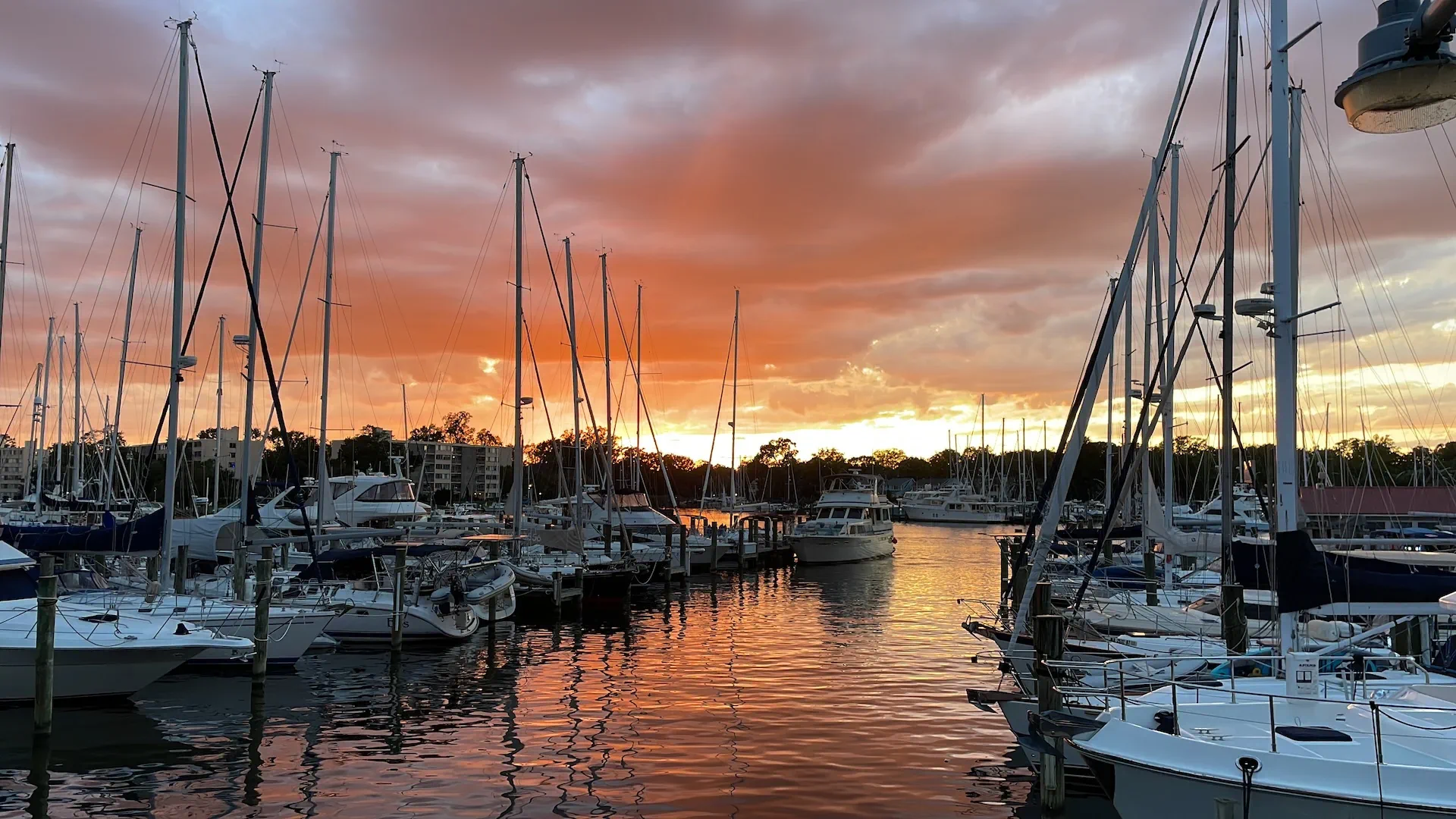
MarineMax also owns IGY Marinas, which operates luxury marinas in some of the most coveted yachting destinations in the world, from St. Thomas and St. Lucia to Ibiza and Miami. If you’ve ever docked at one of their five-star facilities or attended a high-end regatta event, you’ve seen their quiet influence.
And it doesn't stop at sales and services, MarineMax owns manufacturers, too. Cruisers Yachts and Intrepid Powerboats (acquired in 2021), both known for producing top-quality sport and motor yachts, are part of the same integrated group. Finally, Newcoast Finance is a boat financing business also owned by MarineMax.
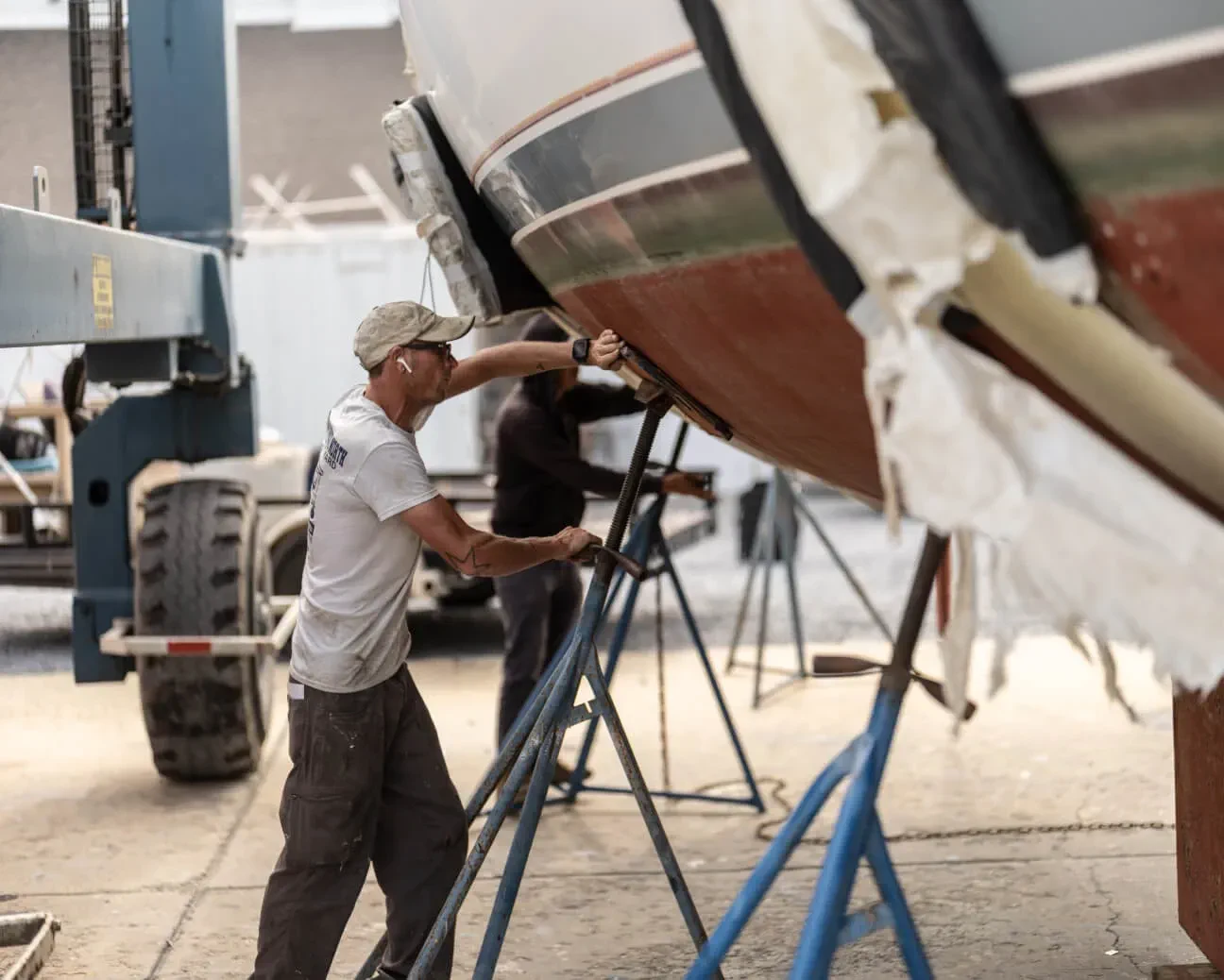
So not only might MarineMax sell you a boat, but they also likely built it, financed it, and now service it through their own marinas or dealerships. MarineMax’s model is a textbook example of vertical consolidation. It controls the inventory, the service, the storage, the marinas, and in many cases, the lifestyle that surrounds it all.
More Integrations in the Industry
MarineMax isn’t the only one consolidating.
Groupe Beneteau is another giant operating quietly at scale. Though the name might not be familiar to casual boaters, its portfolio includes some of the most recognized brands in the sailing and powerboat world: Beneteau, Jeanneau, Lagoon, Excess, Prestige, and Delphia, among others, and the American brands of the Rec Boat Holding portfolio it acquired a decade ago – FourWinns, Wellcraft, Glastron, Scarab.
Groupe Beneteau is one of the largest boat manufacturers in the world, and through its dedicated “Boating Solutions” division, the builder also focuses on providing innovative boating experiences through various services like boat rentals (including Wiziboat and Your Boat Club), marinas, digital solutions, and financing. It has deep ties with charter operators and fleet programs as well. In 2021, PPF Group and Groupe Beneteau, under then the joint venture Blue Sea Holding, acquired stakes in the global companies Dream Yacht Charter and Navigare Yachting with the aim of building a new global leader in the sailing yacht charter segment.
The very same PPF investment group later acquired Robertson & Caine, South Africa-based manufacturer of Leopard catamarans.
Brunswick Corporation, another marine powerhouse, owns brands like Sea Ray, Boston Whaler, Mercury Marine, and Freedom Boat Club. They cover everything from boat manufacturing to engines to subscription-based boating experiences—essentially controlling the full value chain for thousands of casual boaters.
OneWater Marine, a growing rival to MarineMax, is also expanding through acquisitions. It now owns multiple dealerships including Denison Yachting, service operations, and marine product distributors such as Star Brite and TH Marine —all under one roof.
Examples of consolidations abound, often as part of a brand’s strategy to penetrate a new market or a new vertical. Nimbus Group, a Swedish boat manufacturer, acquired EdgeWater Power Boats, a US-based company specializing in luxury powerboats, in 2023 for $9.5 million.
Consolidation Beyond Dealers and Manufacturers
Safe Harbor Marinas, the largest owner and operator of marinas in the world, now operates more than 130 locations in the U.S. Earlier this year, Safe Harbor Marinas became part of the Blackstone Infrastructure after a $5.65 billion deal.
And more consolidation news surfaced for Safe Harbor just last week, with the planned acquisition of Monaco Marine. The multi-yard service company based in the South of France would be Safe Harbor’s first location in the Mediterranean, subject to regulatory approvals and open consultation with employee representatives.
The wave of consolidation isn’t limited to boats and marinas. It extends to essential marine suppliers as well.
Last August, North Technology Group, whose brands include North Sails and Southern Spars, added Doyle Sails and Quantum Sails to its portfolio of marine brands, greatly compressing the choices of sailmakers available to boat manufacturers and sailors.
On the hardware side, brands like Wichard Group (which owns Wichard, Ronstan, Profurl, Facnor, and other key marine hardware suppliers) have built mini-conglomerates of their own. These companies supply OEM parts to a broad range of boatbuilders and charter fleets, often with exclusive relationships.
What This Means for the Consumer
For boaters and yacht clients, this vertical consolidation can offer smoother, more consistent service. One company may handle your purchase, dockage, maintenance, crew management, and charters. While this “one-stop-shop” approach may simplify what used to be a complex, disjointed process involving multiple vendors and middlemen, the result is that choices and options are now limited.
And while competition is being reduced, one may begin to wonder: are prices and services being controlled by too few players? And do consumers know they’re often dealing with different branches of the same company?
The Future of Boating May Be More Centralized Than You Think
As the industry continues to mature, the lines between yacht builder, broker, marina, and concierge service are blurring. What once felt like a boutique, high-touch industry is becoming more standardized—albeit at a luxury level.
For consumers, this can mean more predictable service and stronger brand accountability. But it’s worth being aware of just how consolidated the space has become. There is a very real risk that a handful of major players may quietly start steering the course of the entire yachting experience.
Next time you board a yacht or pull into a marina, take a closer look at the logo on the dock or the fine print in your contract. You might be surprised who actually owns your piece of the ocean.